
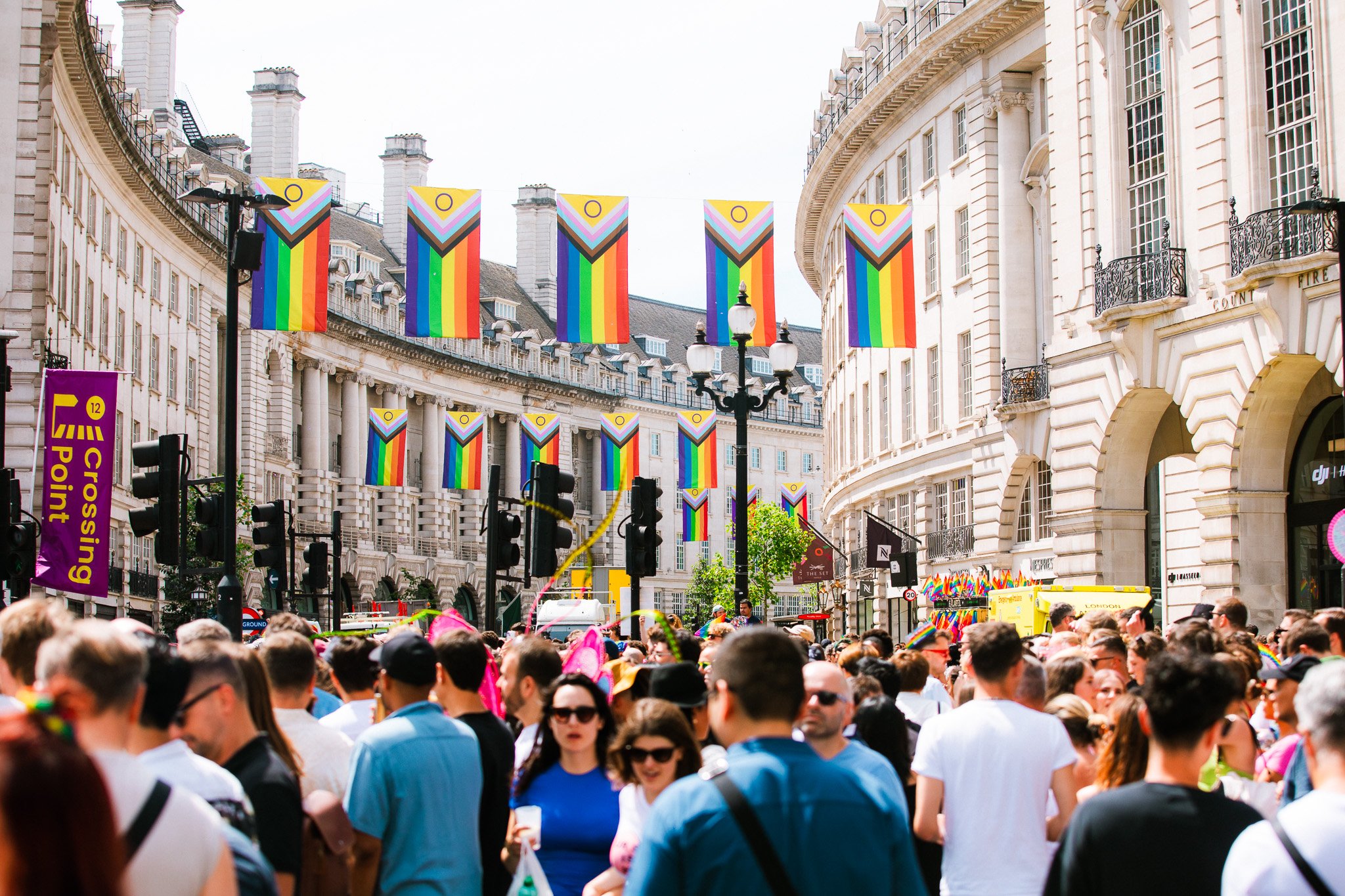
Pride in London Unity Fund
Embracing Every Shade: Celebrating Diversity Together.
A home for every part of London’s LGBTQ+ community.
What is the Unity Fund?
Pride in London has opened applications for the Unity Fund 2026 to 2027, offering £100,000 in grants to support LGBTQ+ grassroots organisations and community groups delivering vital work for London’s LGBTQ+ communities.
Launching during LGBTQ+ History Month, the Unity Fund builds on the legacy of community-led activism by investing in the grassroots groups creating safe, welcoming and connected spaces for LGBTQ+ people today.
Please read the guidelines carefully and apply through the Expression of Interest form. You can apply to one funding stream only per funding round.
Applications close at 23:59 (GMT/BST) on 1st March 2026
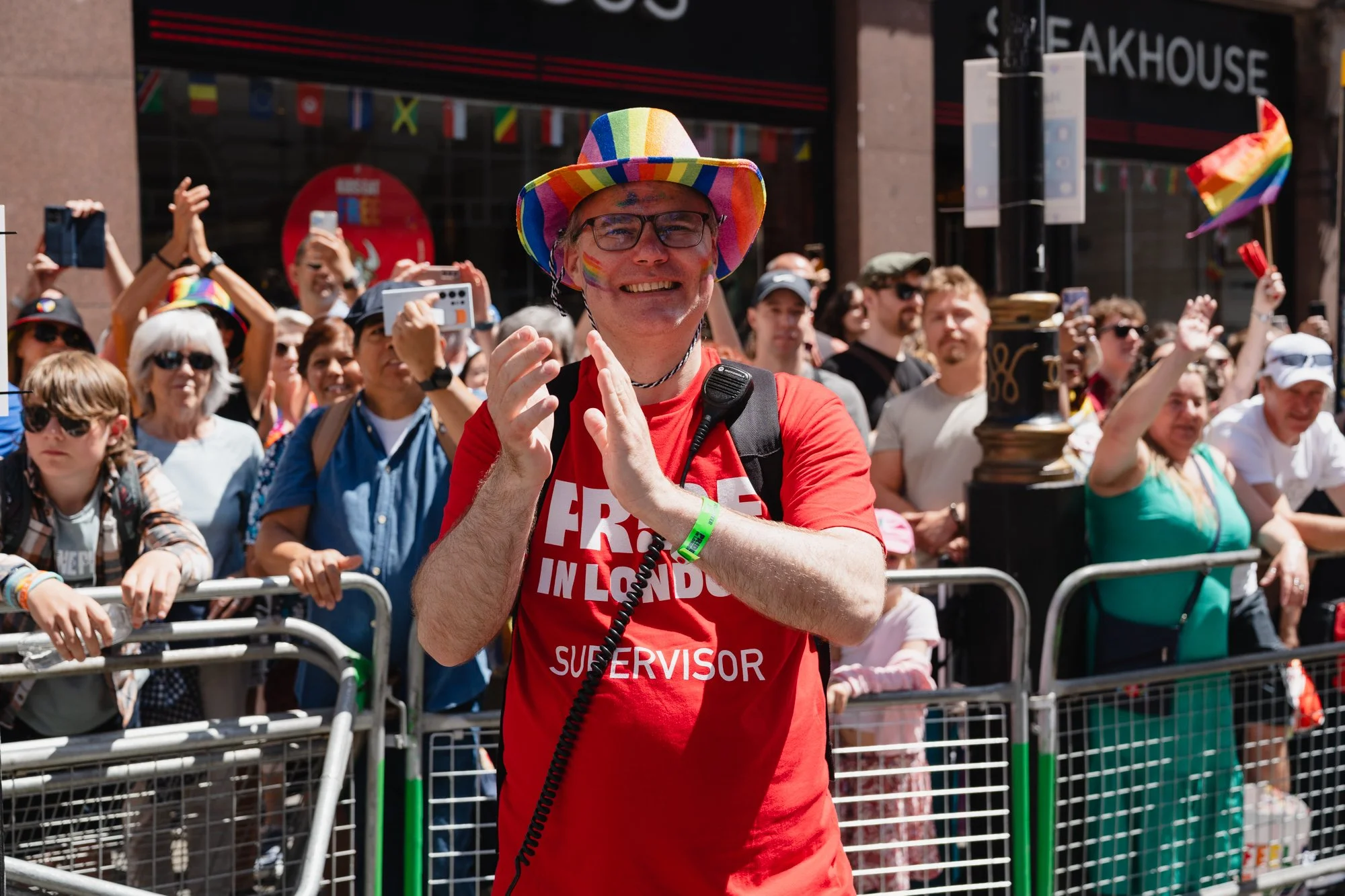
Project Grants up to £5,000
For projects that need a meaningful budget and can show clear outcomes. This could include a programme of activity over several weeks, training, support services, or a pilot with learning you can share.
Grant size: up to £5,000
Best for: projects with clear outcomes and a budget with a few moving parts
Examples: peer support programmes, training, wellbeing support, community research that leads to action
We plan to allocate £70,000 to this stream.
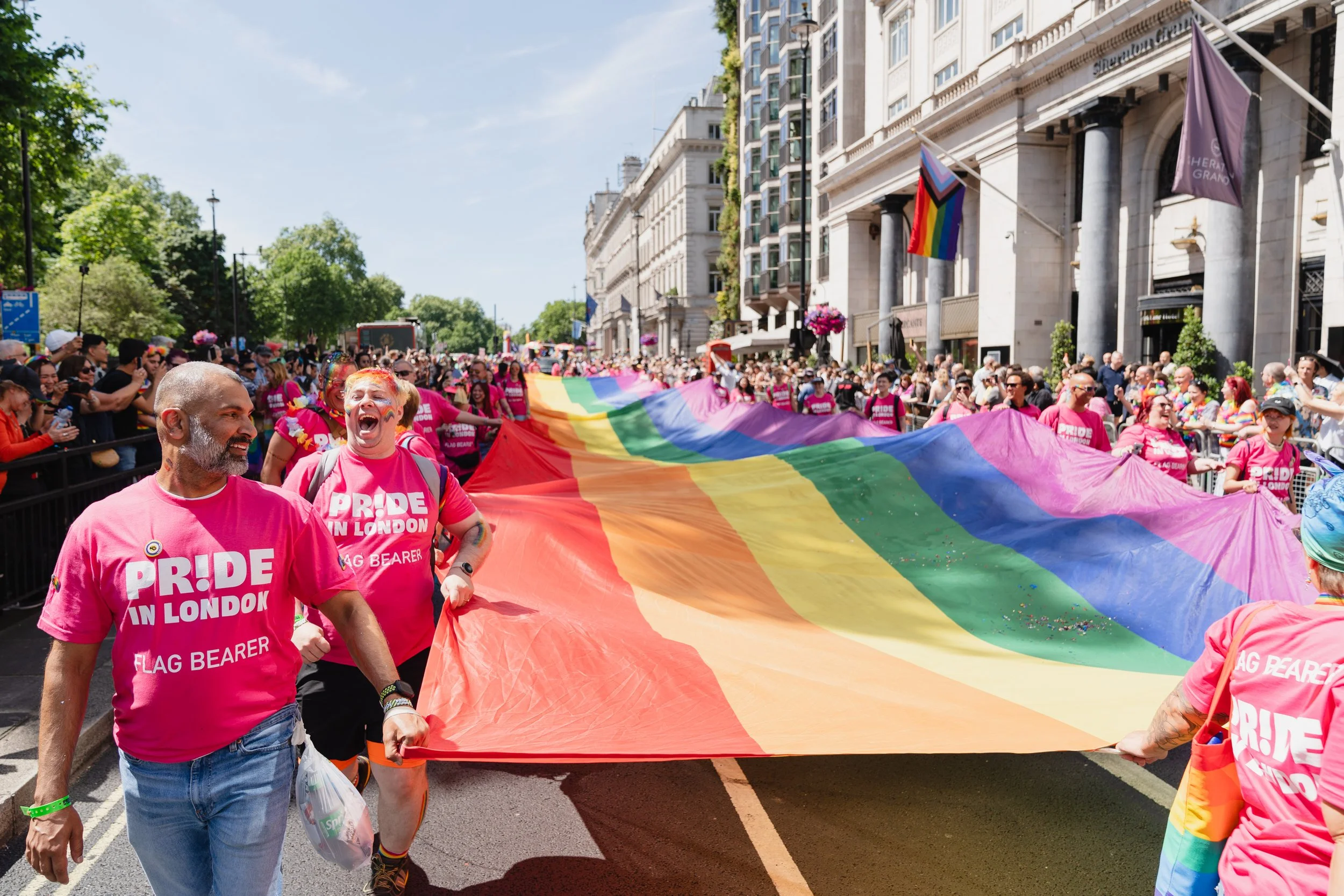
Pride Event Community Micro Grants up to £500 (June and July)
For small events or activities during Pride season, including June and July. These grants are designed to be light touch and quick to deliver.
Grant size: up to £500
Indicative budget for this stream: £15,000
Best for: one off events or simple activities during Pride season
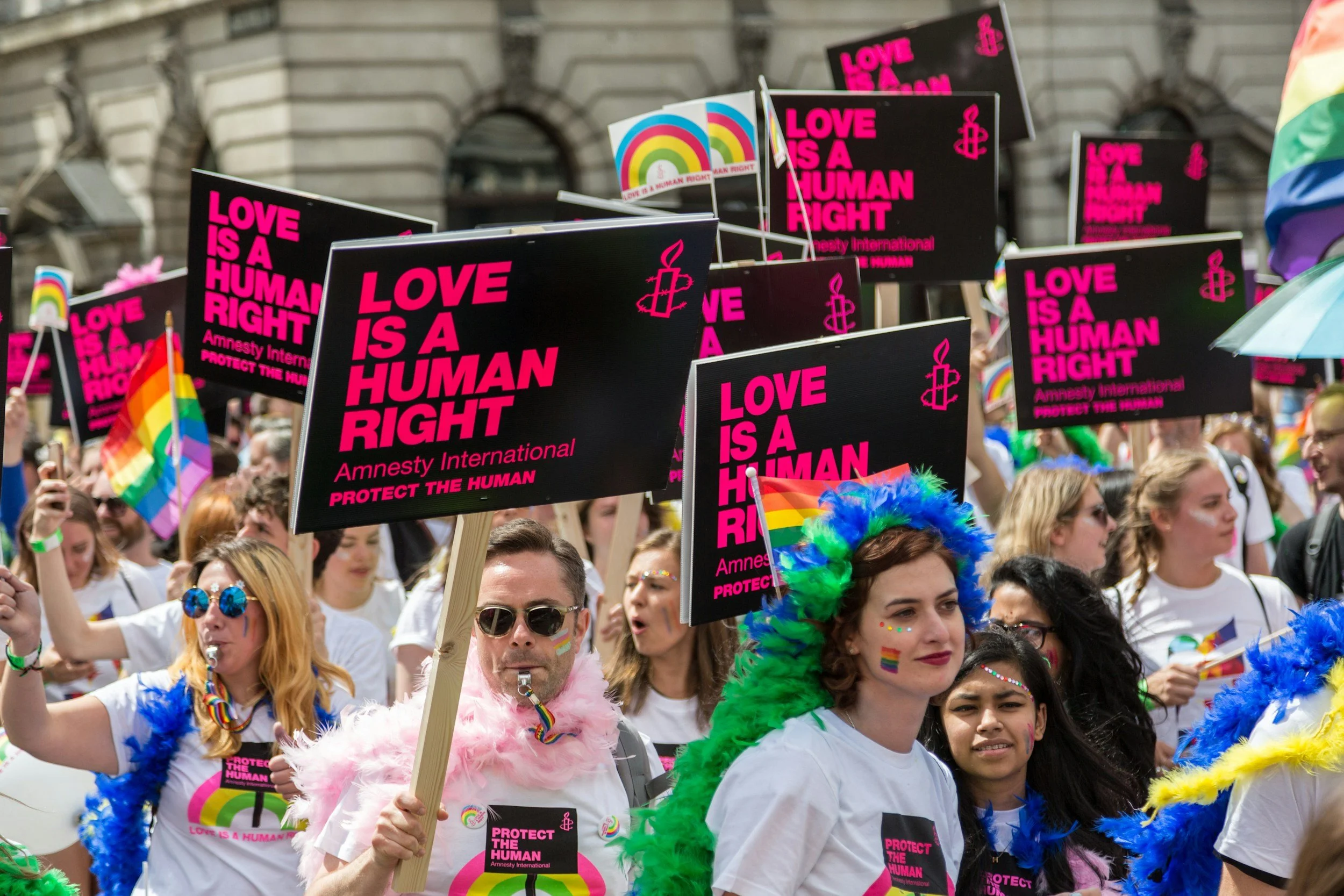
Year round Community Micro Grants up to £500
For small events or activities across the year that support LGBTQ+ communities, including activity linked to community moments such as Trans Awareness, Bi Visibility, or Lesbian Visibility. These grants are designed to be light touch and quick to deliver.
Grant size: up to £500
Indicative budget for this stream: £15,000
Best for: local activities outside Pride season that bring people together or provide practical support
Key Dates
Applications open: 1 February 2026
Applications close: 1 March 2026
Shortlisting and due diligence requests: 10 March 2026
Independent panel review and recommendations: 31 March 2026
Board decision: 6 April 2026
Applicants notified: April 2026 (ahead of Pride Month)
Funds paid: Spring and Summer 2026
Mid year check in: Autumn 2026 (Project Grants)
Final reports due: Winter 2026
Impact report and celebration event: 2027
Dates may change if needed. Any changes will be published on the Pride in London website and shared with applicants.
Frequently Asked Questions
-
Applications are submitted through an Expression of Interest form. The process has two stages.
Stage 1: Expression of Interest
We check eligibility
We score eligible applications against published criteria
Shortlisted applicants are invited to Stage 2 for Project Applications
Stage 2: Supporting documents, due diligence, and full assessment
Shortlisted applicants provide supporting documents and any additional detail we request
We apply checks in proportion to the size of the grant
An independent panel reviews shortlisted applications and makes recommendations
Recommendations go to the Pride in London Board for a final decision
-
-
You must be an LGBTQ plus grassroots organisation or community group supporting London LGBTQ plus communities
Your work must benefit LGBTQ plus communities in London and, where relevant, the wider UK
You must have a clear plan for how the funding will be used and who it will support
You must agree to Pride in London’s reporting and publicity requirements
For Project Grants up to £5,000, we expect applicants to be a registered charity, a community interest company, a charitable incorporated organisation, or a constituted community group with appropriate governance and a bank account. If you are not formally registered, you will need evidence of at least six months of continuous community activity and a suitable fiscal sponsor.
For Micro Grants up to £500, informal groups can apply if you have a named lead and a bank account in the group or organisation name.
At this time, Pride in London is only able to offer funding to organisations with operating budgets (income and expenditure) smaller than £100,000.
-
We fund activity that provides clear benefit to LGBTQ plus communities. Examples include:
Community support and wellbeing activities
Work that tackles isolation or improves access to services
·Training, workshops, or practical resources
Events or activities during Pride season or year round that bring people together in a safe and welcoming way
Accessibility measures that remove barriers to participation
-
Applications from individuals
Political parties or party political campaigning
Commercial ventures or activity primarily intended to generate profit
Projects that are exclusionary towards any part of the LGBTQ plus community
Activity primarily focused outside the UK
Costs that do not relate to the activity described in the application
We can fund reasonable staff or freelancer time where it is essential to deliver the activity and clearly costed. We do not fund ongoing core salaries without a clear link to delivery.
-
If you need any information in an accessible format, please get in touch and we will do our best to support you. Email: [email protected]
Fair and transparent decision making
-
-
-
-
-
-
-
-
Pride in London aims to run the Unity Fund in line with this guidance. We may update these guidelines or the application process if needed, including changes to dates, available funding, eligibility, assessment steps, or supporting evidence requests.
If we make a change, we will publish the update and communicate it to applicants as soon as possible. We will not apply changes retrospectively to applications already submitted, unless the change is required for legal, safeguarding, or risk reasons.
Pride in London reserves the right to pause or withdraw funding, or to decline an application at any stage, where there are safeguarding concerns, evidence of fraud or misuse of funds, or a serious reputational risk.
Funding decisions are final. Applicants may request feedback. Complaints can be raised where there is a concern about the fairness of the process, rather than disagreement with the outcome.