
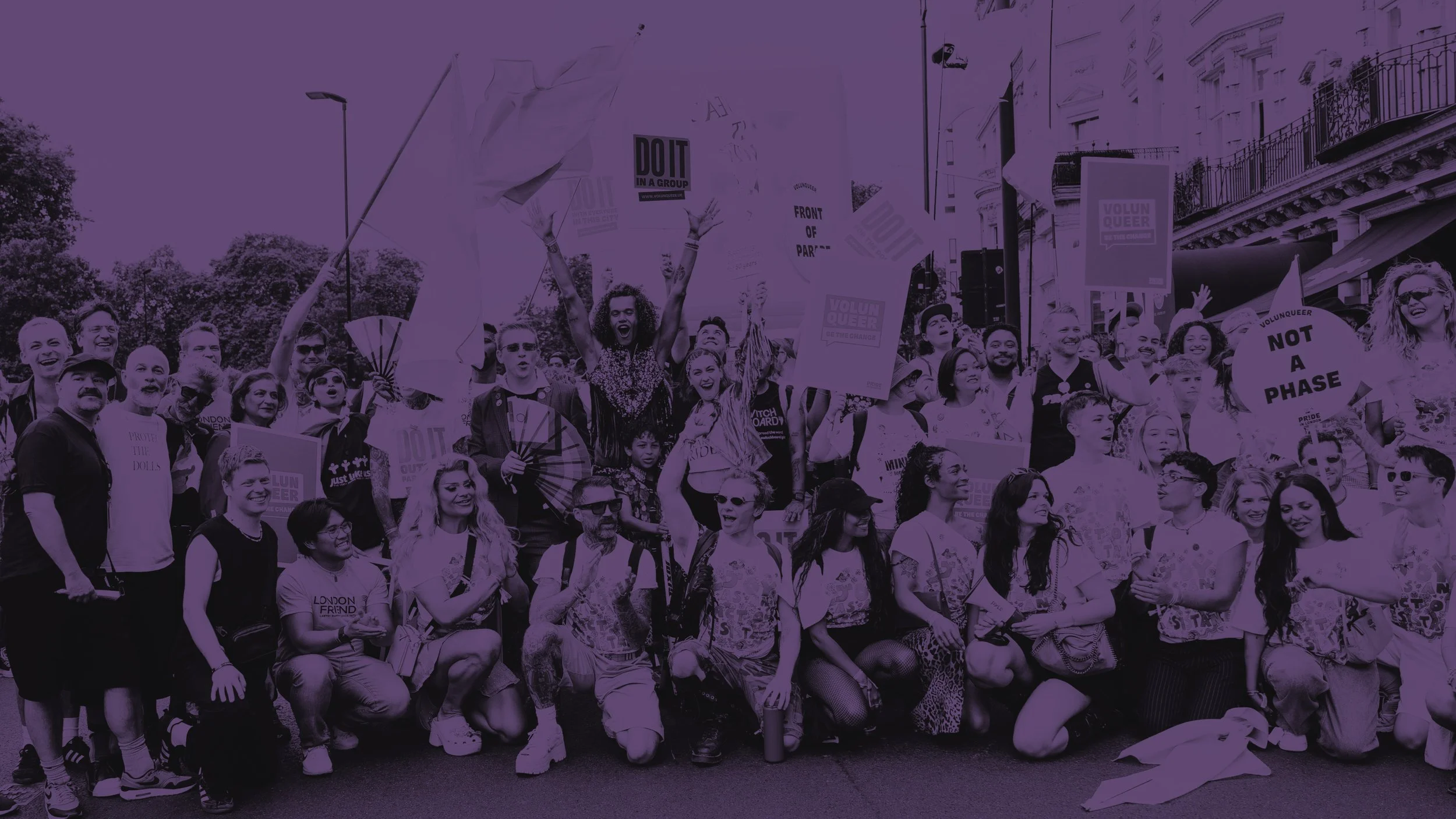
THE PRIDE PARADE
APPLICATIONS TO MARCH WITH PRIDE IN LONDON FOR 2027 ARE NOW OPEN!
In response to feedback, and as part of a broader shift in organisational strategy, Pride in London is opening applications for 2027 earlier than ever before.
Whether you’re interested in making use of unallocated budget before next year, or simply curious to step into the process and see what participation involves, we welcome you to submit an application.
In a change to previous years, the application will be split into three phases:
-
Submit your expression of interest, and our Parade team will review and approve you to register
-
Submit additional information regarding your application, things such as how many of you will there be? Will you be bringing a float? Do you have any special requests?
This lets us ensure we know what you need and we’re aligned to help you get the most from your day -
Once your registration is complete and we have all the information we need, we’ll issue an invoice (where applicable) and once that’s paid, we’ll formal confirm your participation for 2027.
THE PROTEST ROOTS
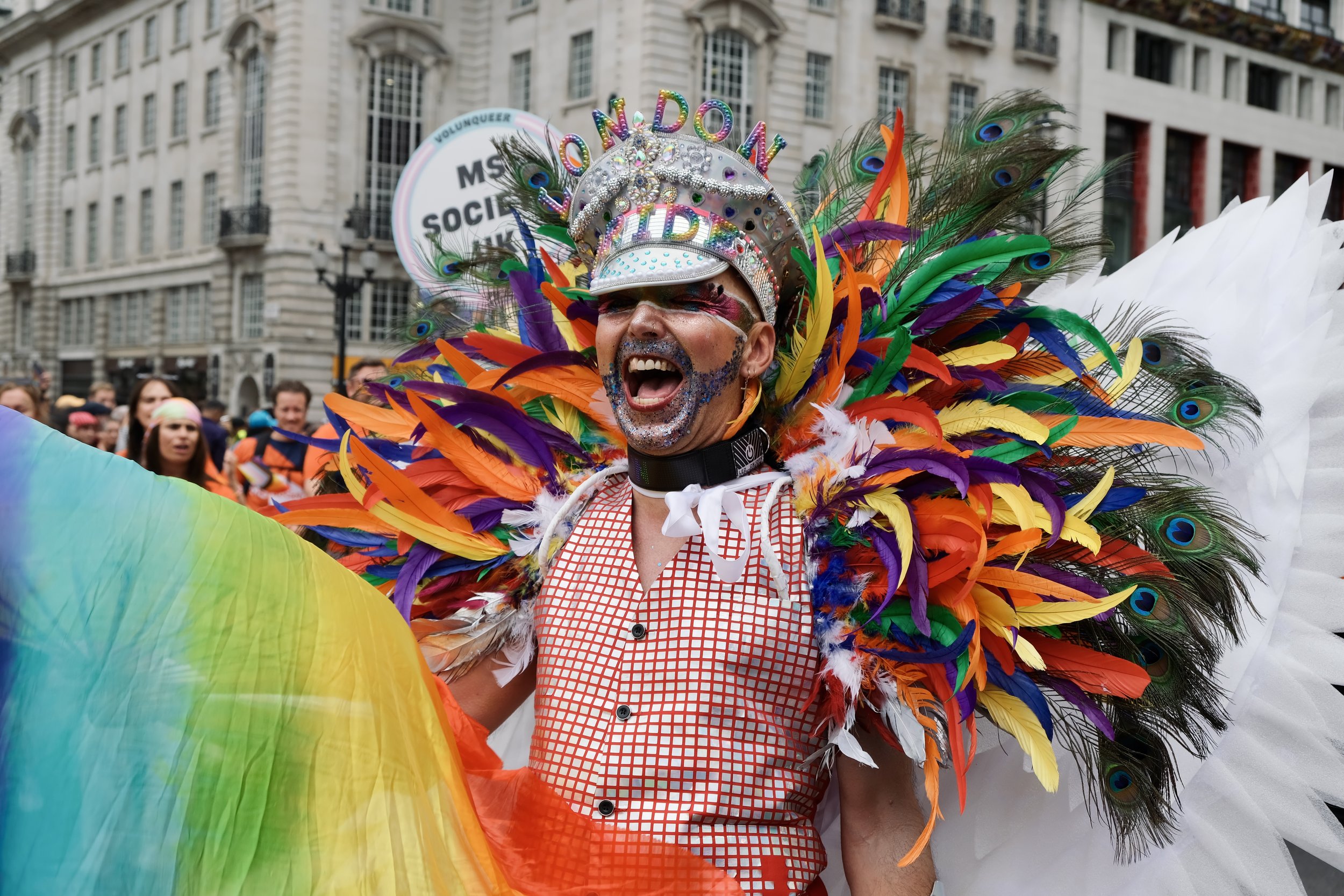
Born from the spirit of defiance, the London Pride parade traces its roots back to 1972, when approximately 2,000 people took to the streets for the UK’s first official Gay Pride Rally.
This historic march was a direct response to the 1969 Stonewall Uprising, transforming a grassroots protest into a cornerstone of British activism.
Over the decades, this vital act of visibility has evolved from a small, courageous walk into a massive global event, ensuring that the original message of liberation continues to reach millions across the capital.
THE MISSION
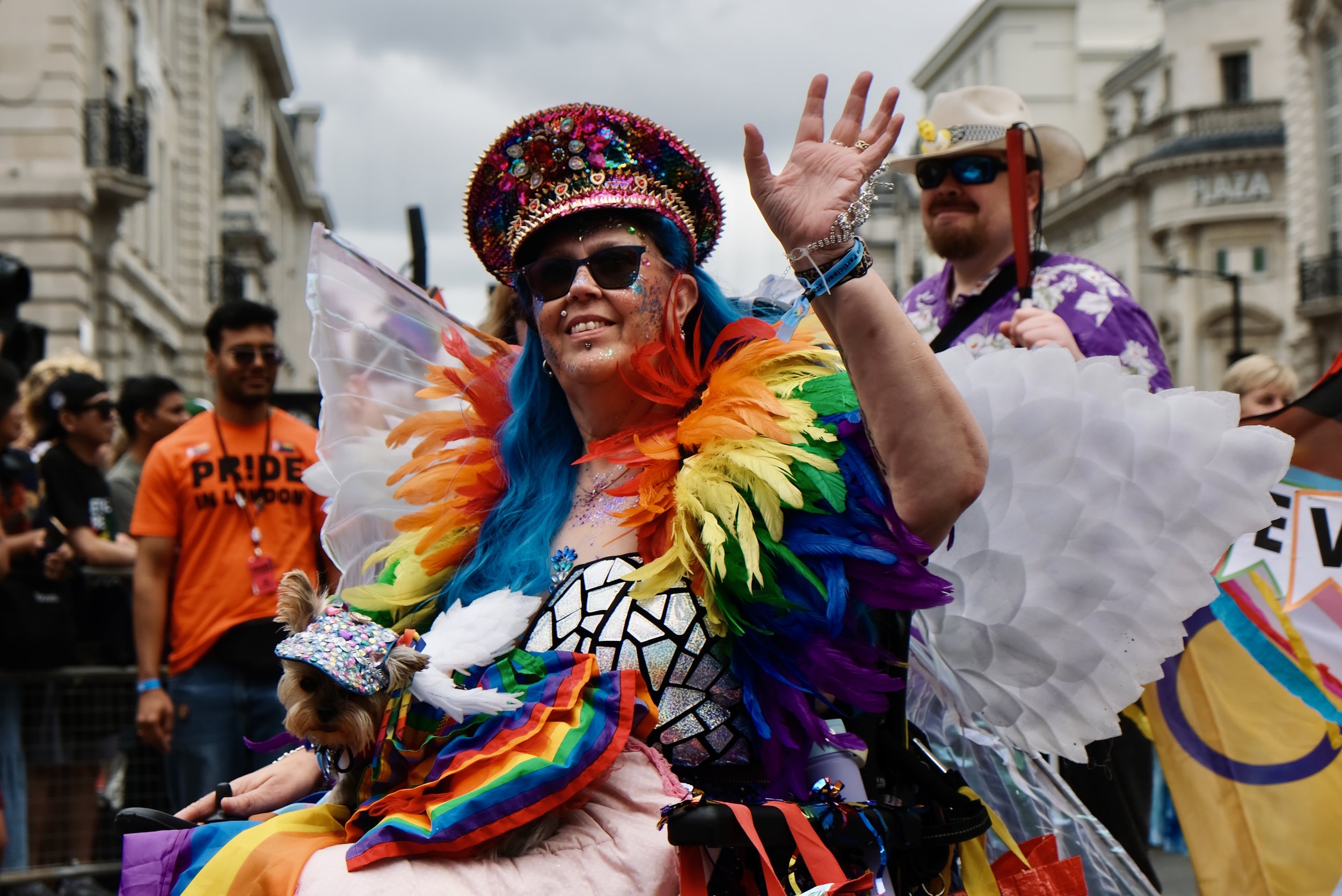
Beyond the celebration, the Pride in London parade remains a vital platform for visibility and a powerful act of protest. It serves as a reminder that while much has been achieved, the fight for full equality is far from over.
By taking up space in the heart of the Capital, the march amplifies the voices of those still facing prejudice, ensuring that the needs of the most marginalized members of the LGBTQIA+ community are seen and heard by the world.
This collective movement is a call to action for the rights that have yet to be won, both in the UK and globally. Every step taken along the route is an intentional stand against discrimination and a demand for legal and social progress.
2027 PARADE FEES AND INFORMATION
-
Who should apply: Non-profit community groups coming together voluntarily to address a shared need, interest, or goal within the LGBTQIA+ community.
Available Wristband Bundles: Bundles of 10, 25, 50, 75, or 100 wristbands.
Pricing Structure:
Wristbands: Free (£0 per wristband).
Float Add-on: £50.
All prices are exclusive of VAT
-
Who should apply: Businesses that are wholly LGBTQIA+ owned, draw 85%+ of revenue from LGBTQIA+ communities, or target 85%+ of their products/services to LGBTQIA+ communities.
Available Wristband Bundles: Bundles of 10, 25, 50, 75, or 100 wristbands.
Pricing Structure:
Wristbands: £10 per wristband (£100 for 10; £250 for 25; £500 for 50; £750 for 75; £1,000 for 100).
Float Add-on: £500.
All prices are exclusive of VAT
-
Who should apply: Organisations not run for profit (including trade unions and public sector bodies) serving the general community interest rather than specifically focusing on the LGBTQIA+ community.
Available Wristband Bundles: Bundles of 25, 50, 75, or 100 wristbands.
Pricing Structure:
Wristbands: £12.50 per wristband (£312.50 for 25; £625 for 50; £937.50 for 75; £1,250 for 100).
Float Add-on: £750.
All prices are exclusive of VAT
-
Who should apply: Any corporate entrant or corporate Employee Resource Group (ERG) that does not qualify for the other categories.
Available Wristband Bundles & Conditions:
25 Wristbands: Walking group only (no float allowed).
50 Wristbands: Available with or without a float.
75 Wristbands: Float required (only available with float).
100 Wristbands: Float required (only available with float).Pricing Structure:
Wristbands: £45 per wristband (£1,125 for 25; £2,250 for 50; £3,375 for 75; £4,500 for 100).
Float Add-on: £9,000.
To ensure that every corporate footprint in the Parade reflects genuine, active support for the LGBTQ+ community, Pride in the City membership is a mandatory requirement for all corporate entrants and corporate Employee Resource Groups (ERGs).
Small Business Tier: £5,750
Large Business Tier: £7,500
(Please note: Pride in the City membership fees are separate from your chosen Parade wristband and float packages.)
All prices are exclusive of VAT
FREQUENTLY ASKED QUESTIONS
-
All groups except LGBTQIA+ community walking groups must pay a registration fee. All corporate groups looking to take part in the parade must be members of Pride in the City.
-
Yes, a limited number of wristbands are allocated to each group. This is to allow for safe management of the high number of groups and participants in the parade.
-
We welcome all to celebrate Pride but strongly encourage persons under the age of 18 to be accompanied by a responsible adult at all times.
Children under 16 years old must be accompanied at all times by an adult responsible for their safety and welfare for the duration of their time at Pride in London.
-
Yes, children participating with a group must wear a wristband, except babies who are unable to walk and will be carried throughout the parade. Children in prams must have a wristband.
-
Nudity is not allowed in the parade; the minimum dress code is swimwear or similar.
-
We welcome service dogs & support animals. Other animals and pets are not permitted in the parade.
-
Pride in London provides parade stewards along the entire route in addition to having SIA-registered security stewards. Metropolitan Police provide an operational presence throughout the day.
-
Smoke bombs or flares are prohibited on your float or in the parade.
-
Stickers are not allowed to be given out along the parade route due to the impact that has on the cleansing. You may have to pay an extra amount if Pride in London incur cleaning charges.
-
Yes, you can consider the option of having an inflatable balloon or large puppet, or Tuk Tuks, or Rickshaws
-
There are no changing facilities or lockers at the parade's start. If you are wearing a costume, please come dressed, or alternatively use the nearby hotel facilities to change.